Eight nonfiction books for practical skills, a wider perspective, and better decisions under pressure.
A little knowledge. A longer view.
Build a useful shelf, not a fear collection. Start with the subject that fills a gap in your own understanding.
Affiliate disclosure
As an Amazon Associate I earn from qualifying purchases. “Find on Amazon” searches by the listed ISBN with our affiliate code. Check the result’s author, edition, format, seller, availability, and price before purchasing. Libraries and independent booksellers are good options too.
01 / THE COLLECTION
Decisions & community.
How people respond, help each other, and turn intentions into action.
Start here
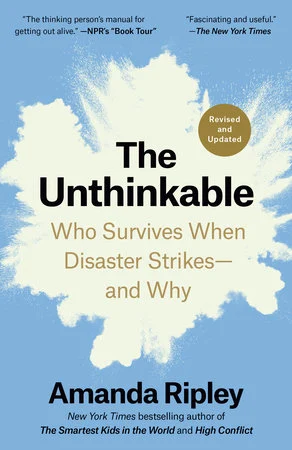
The Unthinkable
Revised and Updated
Amanda Ripley
An accessible entry into how people recognize danger and respond under pressure. Useful for thinking about practice, hesitation, and the human side of an emergency plan.
Read it for
The gap between knowing what to do and actually doing it.
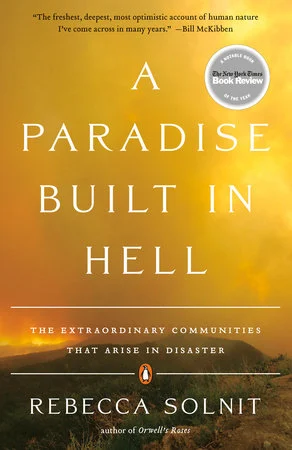
The Extraordinary Communities That Arise in Disaster
Rebecca Solnit
A thoughtful counterweight to solitary survival thinking. Solnit examines the cooperation, mutual aid, and improvised communities that can arise after disasters.
Read it for
Including neighbors and social connections in preparedness.
Reporting, history, and science that put the headlines in context.
Understand the risk
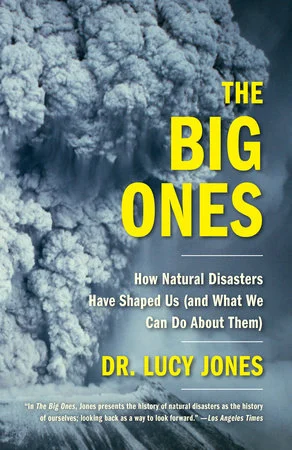
The Big Ones
How Natural Disasters Have Shaped Us (and What We Can Do About Them)
Dr. Lucy Jones
Disaster history and science connect major events to choices about resilience. A useful way to think beyond a dramatic headline and toward the systems that shape outcomes.
Read it for
Understanding the relationship between natural hazards and human decisions.
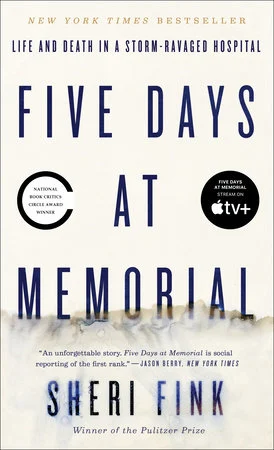
Detailed reporting on a New Orleans hospital during Hurricane Katrina. A demanding account of infrastructure failure, constrained choices, and the ethical pressures of disaster.
Read it for
Thinking seriously about dependencies, evacuation planning, and responsibility. Contains distressing accounts of suffering and death.
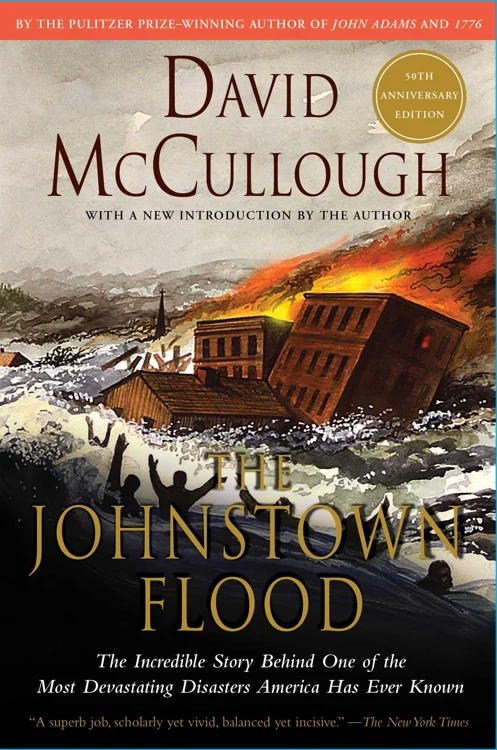
A historical account of the 1889 flood and the human decisions surrounding catastrophe. Read it for context about responsibility and vulnerability, not modern operational advice.
Read it for
Seeing how decisions made before an event can shape its consequences.
References to study, practice, and use within their limits.
Outdoor priorities
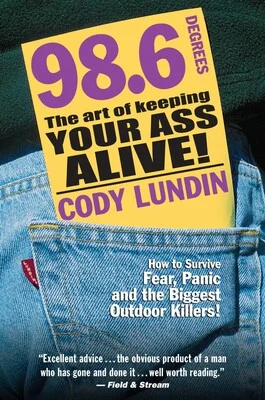
98.6 Degrees
The Art of Keeping Your Ass Alive
Cody Lundin
A plainspoken wilderness-survival introduction centered on exposure, shelter, and priorities. Its outdoor setting is different from a household evacuation; use it to build knowledge, not to replace a local emergency plan.
Read it for
Recognizing that carrying equipment and managing conditions are different skills.
How to Survive in the Wild, on Land or Sea (Collins Gem)
John “Lofty” Wiseman
A compact reference covering preparation, navigation, and outdoor survival. This selection is the small Guide, not the larger Handbook. Check the edition and format before buying.
Read it for
A portable reference to study and practice with before travel. Reading is not a substitute for instruction.
A Guide to Identifying, Harvesting, and Preparing Edible Wild Plants
Samuel Thayer
Detailed plant profiles for developing identification and preparation skills over time. A learning reference, not an emergency food strategy or a guarantee that a plant is safe to eat.
Read it for
Building careful, region-specific knowledge with qualified instruction. Never eat an unidentified plant or rely on a single image for identification.
Print edition, ISBN shown below ISBN 9780976626602