As an Amazon Associate I earn from qualifying purchases. Product links in this article are affiliate links. Check the seller’s current listing for stock, size, specifications, and price. Recommendations are research-based, not claims of hands-on testing.
Empty the bag before adding to it.
Lay everything out and remove expired, damaged, poorly fitting, or unnecessary items. Check the clothing sizes, cable connectors, battery type, and documents. The quiet failures are often mundane: a changed phone, a missing prescription detail, or rainwear that no longer fits.
List what changed in your household since the last review. New work locations, a dependent’s needs, a pet, or a different commute can matter as much as the season. Maintenance is about keeping the plan aligned with life, not just renewing a shopping list.
Rain protection is a system.
A FROGG TOGGS Ultra-Lite2 poncho (Amazon affiliate link, opens in new tab) gives you a packable outer layer, but it is not warm insulation and does not make floodwater safe. Choose footwear and clothing for the conditions you reasonably expect. Check that rainwear works with the loaded bag and that it does not obstruct movement.
Organize spare clothing with Outdoor Products Ultimate Dry Sack set (Amazon affiliate link, opens in new tab) after reviewing their actual water-resistance limits. Keep damp items away from the dry layer. Test closures and decide what you will do with wet clothing at your destination; an organizer cannot solve that decision for you.
Cold-weather planning extends beyond the bag.
Seasonal forecasts describe broad probabilities, not the weather on your travel day. Check the local forecast and road conditions before departure. For vehicle travel, consider suitable warm layers, blankets, footwear, food, safe water, and a way to communicate, with the needs of passengers included.
Do not use a camping stove or fuel-burning heater inside a car or home. Follow official winter safety and carbon-monoxide guidance. A bag supplements a transport plan; it cannot make a dangerous journey necessary or advisable.
Heat changes what is practical to carry.
Review water access and whether stored equipment or supplies tolerate the place you keep them. A parked vehicle is a harsh environment for some batteries, food, medications, and other materials; check product storage instructions rather than guessing.
Shade, rest opportunities, the route, and the individual’s needs belong in the plan alongside gear. Avoid setting a universal load or water prescription from a generic kit description. If someone needs specific health-related accommodations, arrange those with the appropriate professional.
Test the mundane things.
Switch on the Petzl TIKKA headlamp (Amazon affiliate link, opens in new tab), tune the radio, fit the rain layer over the backpack, and locate the documents without emptying every pocket. Mark the date and the missing items. Replace only what needs replacing; unnecessary additions make the next carry test harder.
- Check dates, sizes, storage instructions, and damaged packaging.
- Test lights, charging cables, and radio reception.
- Adjust clothing for the next season and your local climate.
- Revisit routes, transport, pets, and accessibility needs.
- Carry the finished bag and schedule the next inspection.
Make maintenance visible.
A small card with the last review date and the next check is enough. Store it near the top of the bag. If more than one person owns the plan, assign the next review to a named person. Readiness improves when maintenance is a routine, not a major project after every headline.
Useful gear. Clear limits.
Start with what you already own. These are product examples for the needs discussed here, not requirements or guarantees of safety.
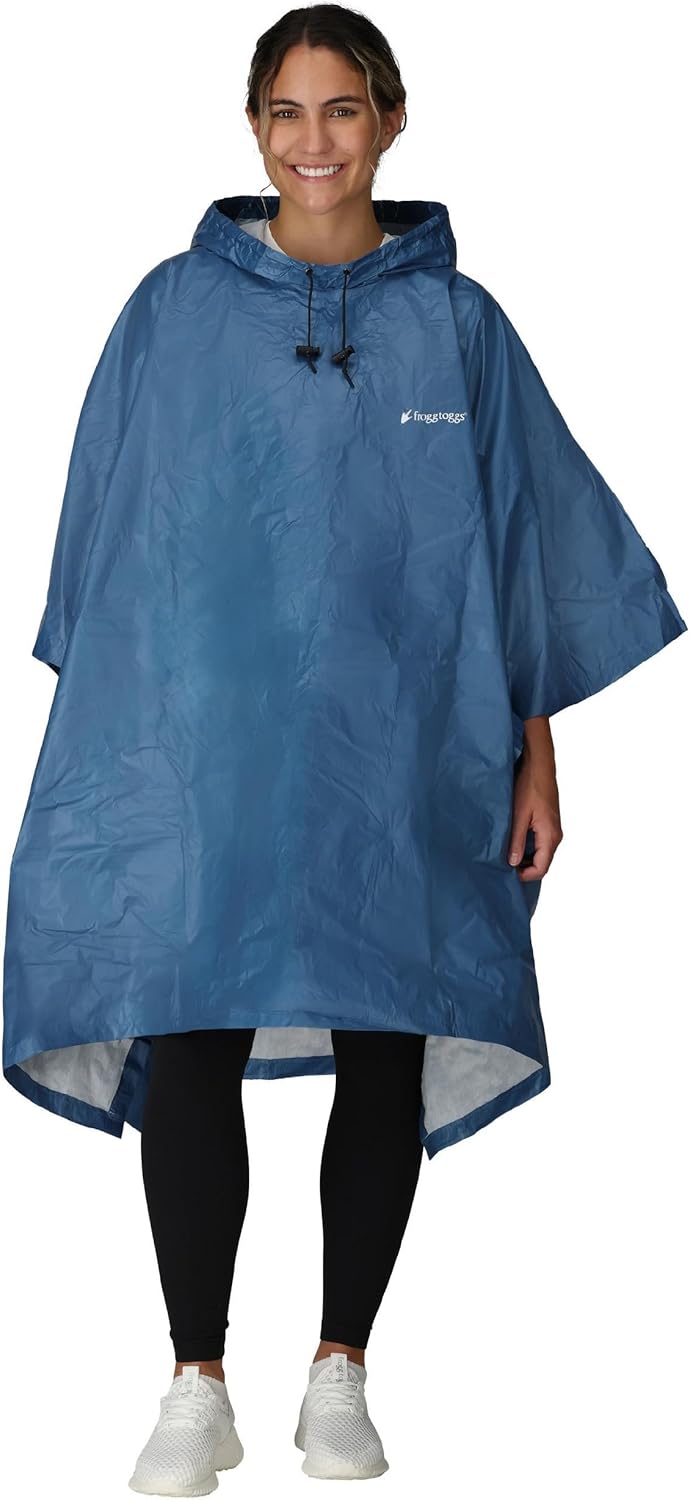
FROGG TOGGS Ultra-Lite2 poncho
A packable rain layer. It is not insulation, flood protection, or protective equipment for hazardous cleanup.
Check listing on Amazon ↗Outdoor Products Ultimate Dry Sack set
Organize documents and dry clothing. Check the stated water-resistance limits and test closures; do not assume submersion protection.
Check listing on Amazon ↗
Petzl TIKKA headlamp
Hands-free light for ordinary tasks. Check batteries and fit; it does not make damaged or flooded areas safe.
Check listing on Amazon ↗Sources & further reading.
Sources checked October 15, 2026. Agency pages and conditions may change after publication.