As an Amazon Associate I earn from qualifying purchases. Product links in this article are affiliate links. Check the seller’s current listing for stock, size, specifications, and price. Recommendations are research-based, not claims of hands-on testing.
Reporting basis: NOAA’s October 15, 2026 U.S. Winter Outlook for December 2026–February 2027. An outlook describes seasonal probabilities, not individual storms. For immediate decisions, follow current official local instructions.
What NOAA released today.
NOAA’s October 15 winter outlook describes an El Niño-influenced December 2026 through February 2027, with warmer-than-average conditions favored across the northern United States and wetter-than-average conditions favored across the South and East. Those are broad seasonal expectations.
They do not specify the conditions on a particular road, on a particular night, when you might need to travel. A season can be warmer overall and still include hazardous cold, snow, or ice. Your departure decision should use the relevant short-range forecast and official road information.
Audit what lives in the car.
Open the kit rather than checking it from memory. Inspect warm layers, blankets, footwear, food packaging, water containers, and lighting. Think about the passenger who runs cold, the child who changed clothing sizes, or the pet that now travels with you.
A Outdoor Products Mountain Duffel (Amazon affiliate link, opens in new tab) can keep vehicle supplies together, but do not pack it so heavily that nobody can move it. Separate the smaller set of essentials you might need to carry into a safe building. Check product instructions before storing batteries, medications, food, or water containers in extreme vehicle temperatures.
Keep the wet layer and the warm layer distinct.
A FROGG TOGGS Ultra-Lite2 poncho (Amazon affiliate link, opens in new tab) is an outer rain layer, not insulation. Build the clothing plan around the actual climate and the shelter available at the destination. Protect a dry change with suitable organizers, and keep the most useful items accessible without unloading the car.
Test the Petzl TIKKA headlamp (Amazon affiliate link, opens in new tab) and keep compatible spares. A working light is useful for ordinary tasks, but it is not a reason to walk along dangerous roads or approach downed electrical lines. If authorities advise against travel, equipment does not cancel the advice.
Prepare an alternative to the journey.
Write down where you could safely wait or stay if conditions deteriorate. Share the route and expected arrival time with someone, and review what they should do if you do not check in. These choices are often more valuable than adding another tool.
- Check the actual route forecast and road advisories.
- Inspect clothing, lights, food, and water storage.
- Confirm the load works for all expected passengers.
- Choose a delay or overnight plan before leaving.
Useful gear. Clear limits.
Start with what you already own. These are product examples for the needs discussed here, not requirements or guarantees of safety.

Outdoor Products Mountain Duffel
An option for supplies moved by car. Select the intended size; a loaded duffel can be difficult to carry.
Check listing on Amazon ↗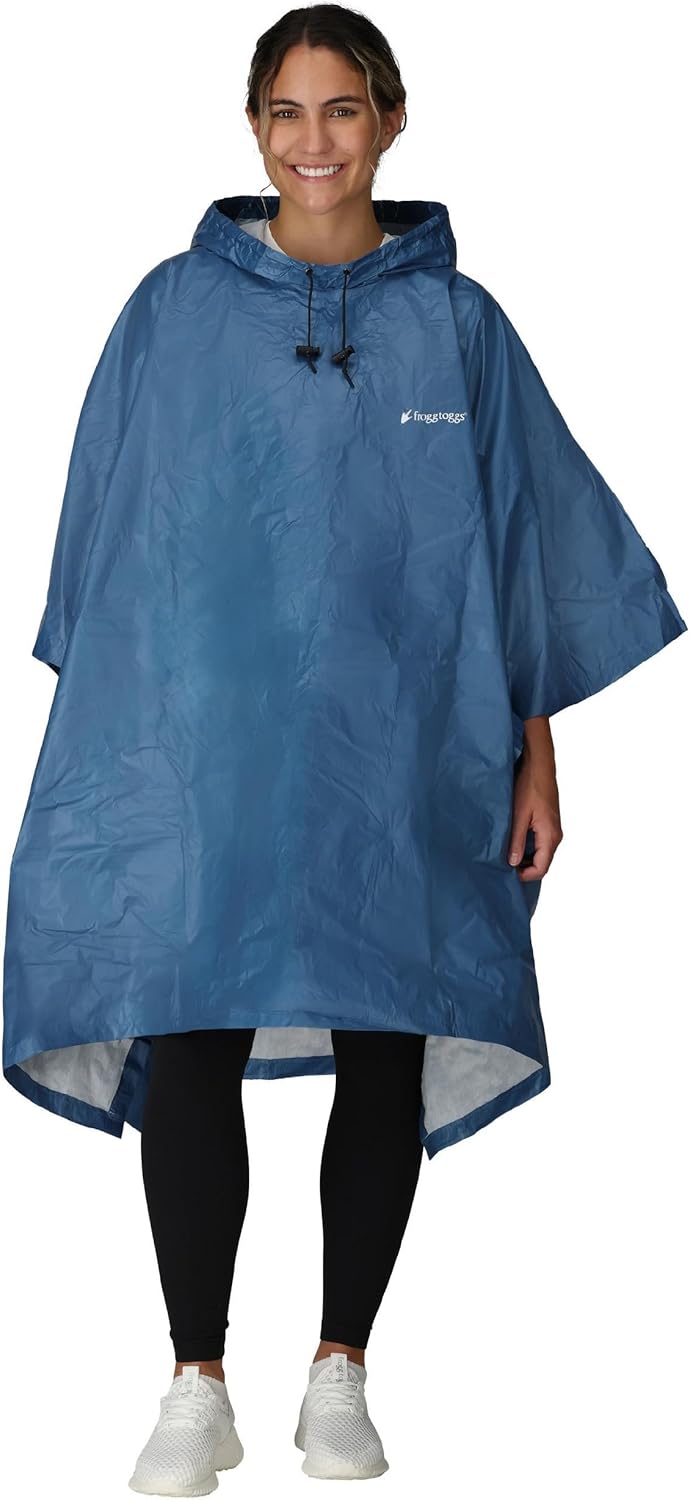
FROGG TOGGS Ultra-Lite2 poncho
A packable rain layer. It is not insulation, flood protection, or protective equipment for hazardous cleanup.
Check listing on Amazon ↗
Petzl TIKKA headlamp
Hands-free light for ordinary tasks. Check batteries and fit; it does not make damaged or flooded areas safe.
Check listing on Amazon ↗Sources & further reading.
Sources checked October 15, 2026. Agency pages and conditions may change after publication.