As an Amazon Associate I earn from qualifying purchases. Product links in this article are affiliate links. Check the seller’s current listing for stock, size, specifications, and price. Recommendations are research-based, not claims of hands-on testing.
Reporting basis: NHC Intermediate Advisory 12A, issued October 10, 2026. Rainfall mentioned here was forecast, not a measured final total. For immediate decisions, follow current official local instructions.
A forecast is not an observed outcome.
In its October 10 Intermediate Advisory 12A, the National Hurricane Center warned of heavy rainfall and the potential for dangerous flooding and mudslides in parts of southwestern Mexico. That warning is the basis for this article; it is not a claim about the storm’s final impact.
A wind category cannot tell you everything about rain, terrain, road access, or the route to a safe destination. Read the hazard details, the area covered, and the time the advisory was issued. For present decisions, use current local civil-protection guidance and official forecasts.
Work backward from the road you need.
Before travel, ask which parts of the journey depend on bridges, steep terrain, or low roads. Identify a safe place to stop or stay and an alternate plan if transport is interrupted. Share the itinerary with someone outside the area and keep important numbers offline.
A small bag of essentials is useful if you must change accommodation or transport. Keep identification, booking details, medication information, and a change of clothing organized. Outdoor Products Ultimate Dry Sack set (Amazon affiliate link, opens in new tab) can help separate dry items, but check their limits and do not assume they protect documents during immersion.
Useful equipment, with a clear boundary.
A FROGG TOGGS Ultra-Lite2 poncho (Amazon affiliate link, opens in new tab) can keep ordinary rain off clothing during a safe transfer between buildings or vehicles. It does not provide flotation, footing, warmth by itself, or protection from contaminated water. National Weather Service flood guidance advises against driving or walking into floodwater.
Pack a working light and compatible batteries if available. A headlamp helps you see ordinary tasks; it does not let you judge the integrity of a flooded road or damaged structure. If a route is closed, use the alternative plan rather than testing the gear against the hazard.
Make one decision while the weather is still calm.
Write the condition under which you would cancel, delay, or change the trip. Making that choice in advance reduces the pressure to continue simply because the booking is paid for or the bag is packed.
- Read the complete advisory, including its timestamp.
- Check local transport and road information.
- Save documents and contacts offline.
- Choose an alternate destination before departure.
Useful gear. Clear limits.
Start with what you already own. These are product examples for the needs discussed here, not requirements or guarantees of safety.
Outdoor Products Ultimate Dry Sack set
Organize documents and dry clothing. Check the stated water-resistance limits and test closures; do not assume submersion protection.
Check listing on Amazon ↗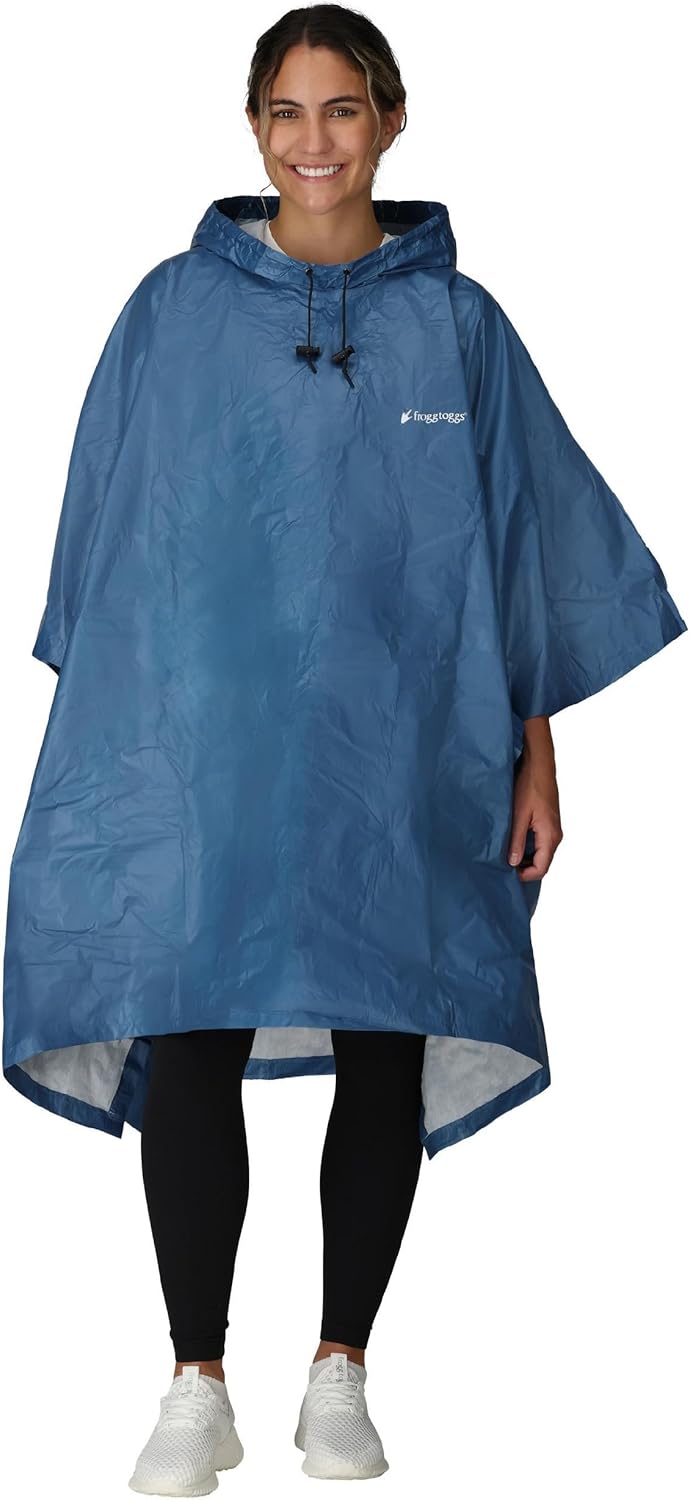
FROGG TOGGS Ultra-Lite2 poncho
A packable rain layer. It is not insulation, flood protection, or protective equipment for hazardous cleanup.
Check listing on Amazon ↗Sources & further reading.
Sources checked October 15, 2026. Agency pages and conditions may change after publication.